
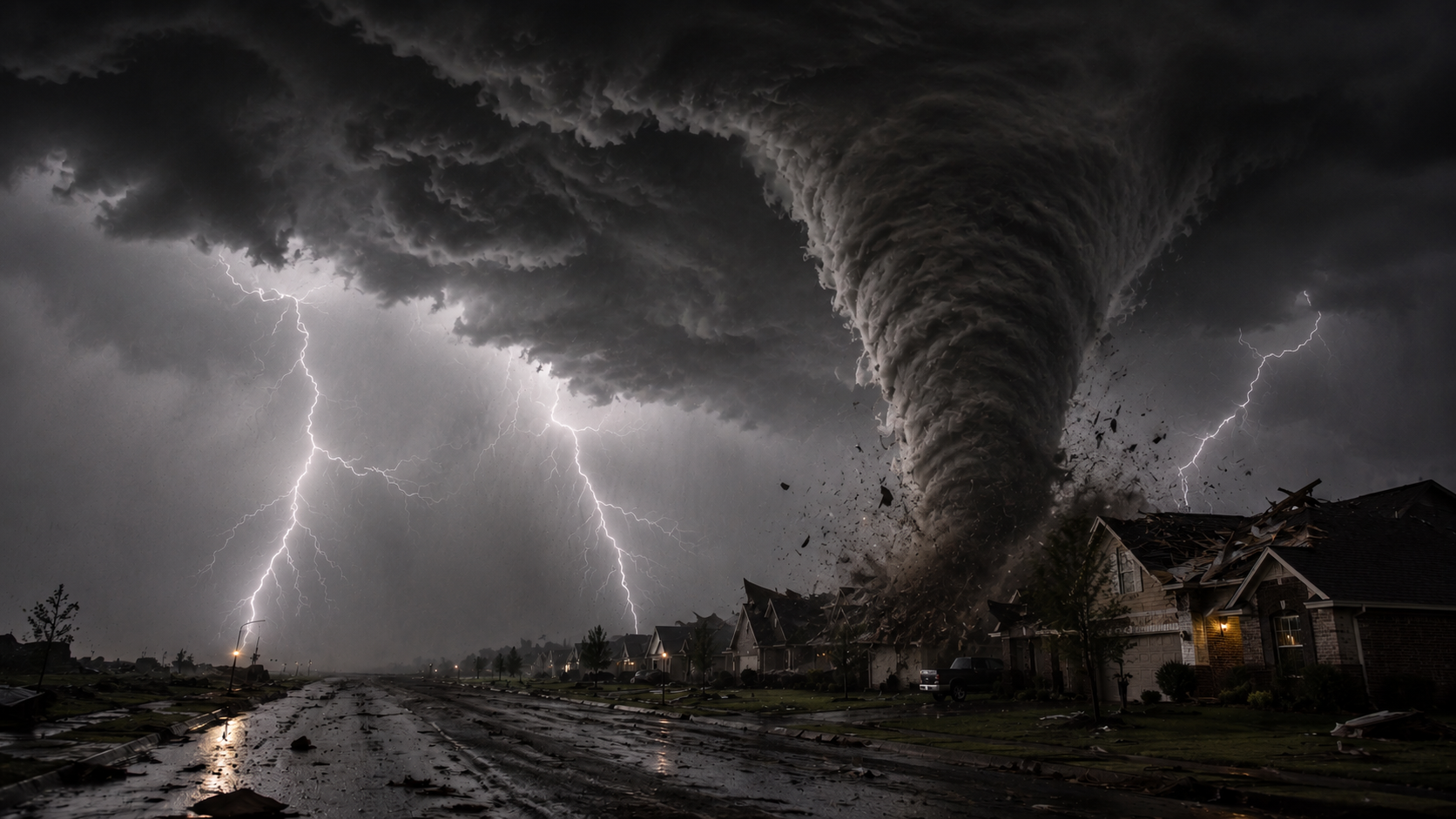
A highly amplified weather pattern is beginning to organize across the central United States. Deep moisture moving north from the Gulf will interact with strengthening winds aloft and an approaching upper-level disturbance.
The exact corridor of greatest risk will depend on the position of a warm front and the timing of morning storms. Those details can shift considerably, so residents should follow forecast updates rather than focusing on a single model run.
What we are watching
Forecast soundings indicate an environment capable of supporting organized supercells. Any storm that remains isolated may produce very large hail, destructive wind, and a tornado risk.
Storm coverage could increase after sunset as a cold front advances. That transition would favor a broader damaging-wind threat extending east overnight.
How to prepare
Review your severe-weather plan before watches or warnings are issued. Know where you will shelter, charge your devices, and make sure emergency alerts can wake you overnight.
This article will be updated if confidence increases or the expected risk area changes materially.
Weather changes quickly. Follow official watches and warnings from the National Weather Service for decisions affecting your safety.
0 comments